Print That Goes Viral: How Smart Packaging Design Is Winning Audiences on TikTok and Instagram
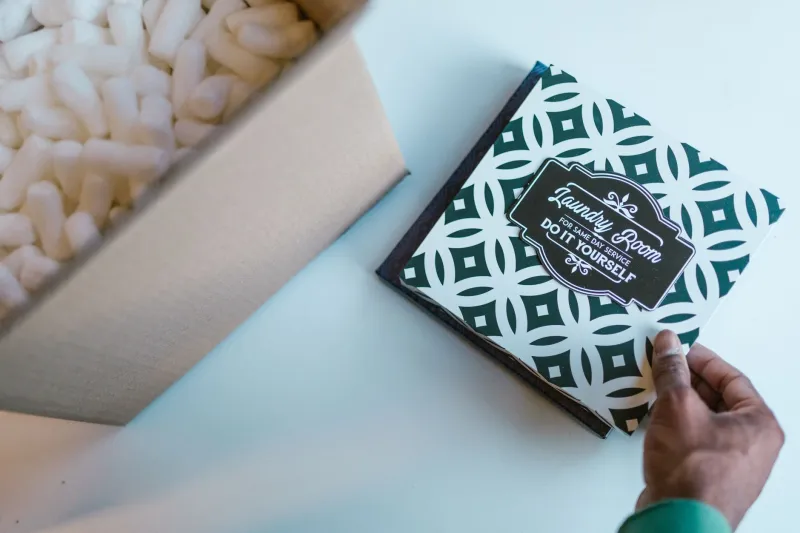
No marketing executive planned the unboxing phenomenon. It emerged organically from consumers who found genuine joy in the ritual of opening a package — and discovered that their audiences found it equally compelling. What began as product reviews on YouTube in the early 2010s has evolved into a sophisticated content category commanding billions of views annually on TikTok and Instagram, driven almost entirely by one variable: the quality of the physical experience inside the box.
For businesses that have invested in premium printed packaging, branded tissue paper, and thoughtfully designed inserts, the cultural moment could not be more favorable. For those who have not, the competitive gap is widening every quarter.
Why Unboxing Works: The Psychology Behind the Scroll
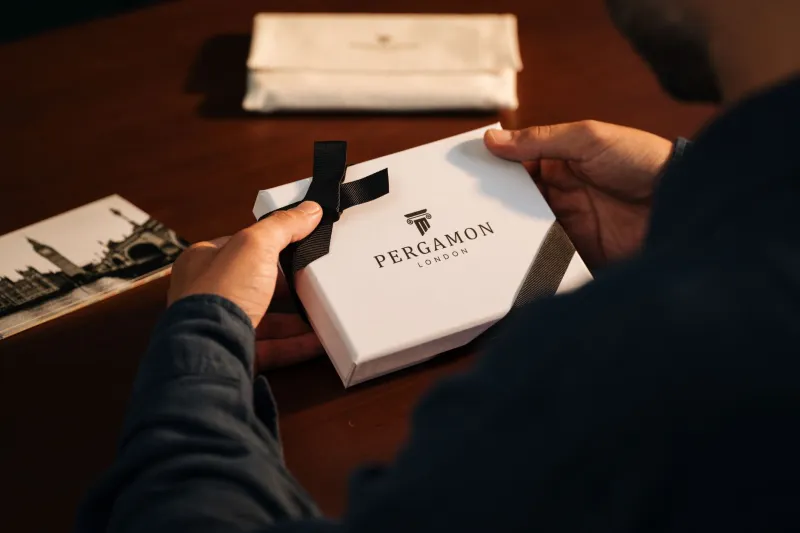
The appeal of unboxing content is not accidental. Behavioral researchers have documented what marketers are now engineering around: the anticipatory pleasure of a reveal, the tactile satisfaction of layers being peeled back, and the social signal embedded in receiving something beautiful. When a package is designed well, it communicates that the brand behind it values the recipient's experience — and that signal resonates powerfully with audiences watching from a distance.
The critical insight for businesses is that the camera does not lie. Thin tissue paper, generic brown kraft void fill, and a plain white card with a printed logo photographed poorly in 2015 and photograph worse today, when consumer expectations have been elevated by years of aspirational unboxing content. Conversely, a box that reveals a structured interior, a printed insert with genuine personality, and packaging elements that use color and texture intentionally can generate the kind of pause-and-rewatch response that algorithms reward.
Businesses That Got It Right
Consider the trajectory of small direct-to-consumer candle brands, a category that has become a case study in packaging-driven social growth. Several independent makers based in cities like Nashville, Portland, and Austin have reported that a significant portion of their new customer acquisition traces back to unboxing content created by existing customers — content the brands did not commission or pay for. The common thread across these success stories is not ad spend. It is the deliberate investment in printed packaging components: custom-illustrated boxes, tissue paper printed in brand colors, and handwritten-style thank-you cards that feel personal rather than transactional.
In the B2B space, a marketing agency in Chicago redesigned its client onboarding kit — moving from a generic folder to a custom-printed welcome box with embossed branding, a curated insert card, and a branded notebook. Within two months of the redesign, three clients had posted unboxing content on LinkedIn without any prompting. The agency received four inbound inquiries directly attributable to those posts.
The mechanism is the same regardless of industry or audience platform: a physical experience that exceeds expectations creates an emotional response, and emotional responses generate content.
Designing for the Camera Without Losing the Customer
There is a meaningful distinction between packaging that photographs well and packaging that is genuinely useful and brand-appropriate. Businesses that chase visual novelty without grounding their design decisions in brand identity often produce packaging that generates a single viral moment and then feels inconsistent with every other customer touchpoint.
The most durable approach is to treat the unboxing experience as an extension of your brand's visual system — not a separate performance. That means your printed tissue paper should use the same color palette as your business card. Your insert card's typography should echo your website headers. The copy on your thank-you note should sound like your social media voice. When every element is coherent, the unboxing experience reinforces brand recognition rather than simply generating a momentary reaction.
From a print design standpoint, several specific elements consistently perform well on camera. Spot UV coating on printed inserts creates a contrast between matte and gloss finishes that catches light beautifully in video. Foil stamping on packaging interiors adds a moment of visual surprise when the box opens. Custom-printed tissue paper in a brand's primary color is one of the highest-ROI packaging investments available — visually impactful, structurally functional, and relatively modest in production cost at scale.
The Insert Card: The Most Underestimated Print Asset in Your Box
If there is a single element that separates forgettable packaging from shareable packaging, it is the printed insert. A well-designed insert serves multiple functions simultaneously: it communicates brand values, delivers a practical message (care instructions, a discount code, a referral invitation), and provides a visual anchor for the unboxing moment.
The most effective inserts are sized intentionally. A card that fills the frame of a smartphone camera — roughly 4x6 inches — is easier to feature in content than a standard business card that gets lost in the visual composition. The copy matters as much as the design. Inserts that speak directly to the customer in a warm, specific voice outperform generic "thank you for your order" templates in both emotional impact and social sharing behavior.
For businesses that want to actively encourage sharing, a simple line of copy on the insert — "Show us yours. Tag us at @yourbrand." — provides the social prompt without requiring a formal influencer arrangement. User-generated content driven by a thoughtful insert card costs a fraction of paid social advertising and frequently carries more credibility with new audiences.
Making the Investment Work at Your Scale
A common misconception is that premium printed packaging is exclusively accessible to large brands with substantial production budgets. The economics have shifted considerably. Digital printing technology now makes short-run custom packaging — quantities as low as 250 to 500 units — financially viable for small and mid-sized businesses. The per-unit cost premium over generic packaging narrows significantly when measured against the organic marketing value generated by a single piece of shared content.
The strategic approach for businesses entering this space is to identify the one or two packaging elements that will generate the greatest visual impact and invest there first. Custom tissue paper and a well-designed insert card together can transform the interior of a standard shipper box without requiring a full custom packaging overhaul. As volume grows and the ROI becomes measurable, the investment can expand accordingly.
At Tri-Print, we design and produce the printed components that make unboxing experiences worth sharing — from custom inserts and branded tissue to full packaging systems built for both function and photography. The goal is always the same: a physical experience so well-considered that your customers become your most credible marketers.