From Box to Brand Advocate: How Thoughtful Packaging Design Transforms the Customer Experience
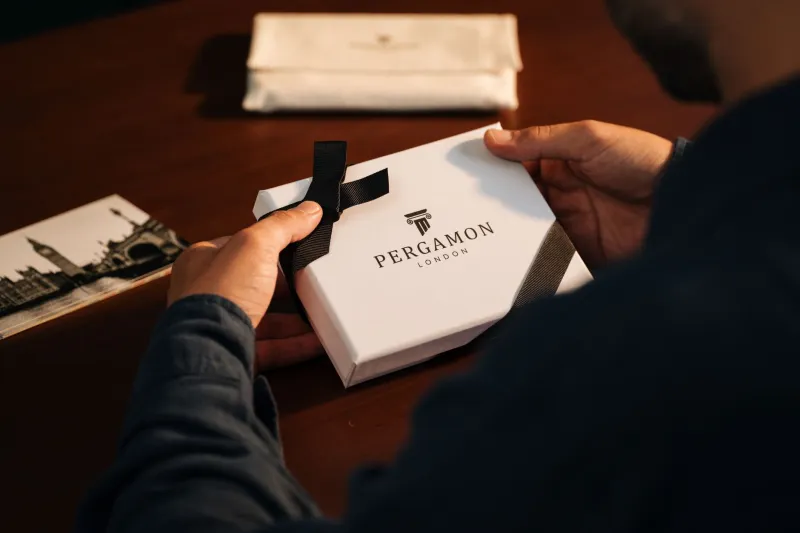
There is a moment that every business should care deeply about, yet many overlook entirely: the instant a customer lifts the lid, tears the tissue paper, or slides open a drawer-style box. That moment—brief, tactile, and emotionally charged—carries more brand weight than most marketing campaigns ever will.
In an era when consumers document their purchases on social media and share product experiences with thousands of followers, packaging has quietly become one of the most powerful tools in a company's design arsenal. For businesses that invest in premium print quality and intentional structural design, the payoff extends well beyond aesthetics. It reaches into customer retention, word-of-mouth referrals, and brand perception in ways that are measurable and meaningful.
The Psychology of Touch: Why Physical Experience Drives Emotional Response
Marketing research has long established that tactile experiences influence purchasing decisions and brand affinity. When a customer handles a package printed on heavy, soft-touch laminated stock—feeling the subtle resistance of the coating, noticing the precision of a debossed logo—their brain registers quality before a single word is processed consciously.
This phenomenon, sometimes referred to in consumer psychology as "haptic feedback," suggests that the physical properties of an object communicate credibility and care. A flimsy, generic brown mailer whispers indifference. A structured box with a matte finish, a foil-stamped logo, and carefully folded tissue paper says something entirely different: that the company behind the product considered the recipient's experience at every stage.
For US-based businesses competing in crowded retail and e-commerce markets, this distinction is not trivial. According to research from Dotcom Distribution, more than 40 percent of online shoppers say they are likely to make repeat purchases from a retailer that delivers products in premium packaging. The box is not just a container—it is a continuation of the brand promise.
Case in Point: Small Businesses That Elevated Packaging Into a Growth Strategy
Consider the example of a specialty coffee roaster based in Portland, Oregon. When the company launched its direct-to-consumer subscription service, it initially shipped its beans in standard kraft bags with a simple printed label. Sales were steady, but repeat subscriptions plateaued.
After partnering with a commercial printing and design firm, the company redesigned its packaging to include custom-printed kraft bags with full-color illustrations, a branded inner seal, and a small folded card printed on heavyweight stock that told the story of each coffee's origin. The tactile upgrade cost more per unit, but the company reported a 28 percent increase in subscription renewals within the first two quarters—and a measurable uptick in social media mentions featuring unboxing content.
A similar pattern emerged for a women's skincare brand in Austin, Texas. By replacing plain white boxes with custom-printed packaging featuring a consistent color palette, spot UV accents, and a ribbon pull tab, the brand saw its average customer review score increase and noted that reviewers frequently mentioned the packaging specifically. The product itself had not changed. The experience of receiving it had.
These examples are not outliers. They reflect a broader principle: when packaging aligns with brand identity and is executed with print precision, it becomes a silent salesperson—one that works even after the sale is complete.
What "Premium" Actually Means in Packaging Design
The word "premium" can sound expensive or out of reach for smaller businesses, but it does not necessarily require a large budget. Premium, in the context of packaging design, refers to intentionality—every material choice, structural decision, and printed element serving a purpose.
Several key components contribute to a premium packaging experience:
Structural integrity and form. A box that opens smoothly and holds its shape communicates quality before the customer even sees the product inside. Rigid mailers, magnetic closure boxes, and custom-fitted inserts all signal that the contents were worth protecting thoughtfully.
Print finish and substrate selection. Matte lamination, soft-touch coatings, aqueous gloss, and uncoated textured stocks each create a different sensory impression. Selecting the right finish for the brand's personality—whether that is warm and artisanal or clean and clinical—requires deliberate design thinking.
Color consistency and brand alignment. Packaging that mirrors the company's established color palette, typography, and visual language reinforces brand recognition. A customer who has visited a company's website and then receives a package should feel an immediate visual connection between the two.
Interior details. Tissue paper, printed inserts, thank-you cards, and branded tape are low-cost additions that disproportionately elevate the perceived value of the overall experience. These elements also provide natural opportunities for storytelling—sharing the brand's values, origin, or a personalized message.
The Word-of-Mouth Multiplier
Beyond the individual customer experience, premium packaging generates organic marketing at a scale that paid advertising struggles to replicate. When a package is visually compelling and physically satisfying to open, people share it. Unboxing content on platforms such as Instagram, TikTok, and YouTube consistently attracts high engagement, and much of that content is created voluntarily by customers who simply wanted to document something that impressed them.
For a business, this represents earned media—brand exposure generated without additional spend. A single well-designed package, opened by the right customer at the right moment, can reach an audience of thousands. Multiply that across a season of orders, and the return on investment for thoughtful packaging design becomes considerably more compelling.
This is where the alignment between print quality and marketing strategy becomes especially clear. Packaging is not a fulfillment expense to be minimized. It is a marketing channel to be optimized.
Practical Steps for Businesses Ready to Invest in Packaging Design
For companies considering a packaging upgrade, the process need not be overwhelming. A structured approach makes the investment more manageable and the outcomes more predictable.
Start with brand alignment. Before selecting materials or finishes, revisit the brand's visual identity. Packaging should feel like a natural extension of the company's existing design language, not a departure from it.
Define the customer experience goal. What should the customer feel at each stage of opening the package? Excitement, calm, luxury, playfulness? Defining the emotional target helps guide every subsequent design and material decision.
Work with experienced print and design partners. Custom packaging requires technical knowledge of substrates, structural engineering, and print specifications. Partnering with a commercial printing firm that offers design services ensures that creative vision translates accurately into a finished product.
Prototype before committing. Request physical samples before placing a full production order. What looks correct on screen may feel different in hand. Reviewing a prototype allows for adjustments that protect both the brand and the budget.
Measure the impact. Track repeat purchase rates, customer reviews mentioning packaging, and social media mentions before and after a packaging redesign. The data will validate the investment and inform future iterations.
Packaging as a Long-Term Brand Asset
The businesses that treat packaging as a strategic asset rather than a logistical necessity tend to build stronger customer relationships over time. Every order shipped is an opportunity to reinforce the brand, reward the customer's decision to buy, and create the conditions for loyalty.
At Tri-Print, we work with businesses across industries to develop packaging solutions that are as functional as they are distinctive—combining commercial print expertise with design thinking to produce results that resonate. Because in the end, the box a customer receives is not just packaging. It is a statement about who the company is and how much it values the people it serves.
When that statement is made well, customers remember it. And they come back.